
Buying Under-Construction Property: Benefits and 6 Legal Risks
Adv (Col) Raj Kumar
Introduction
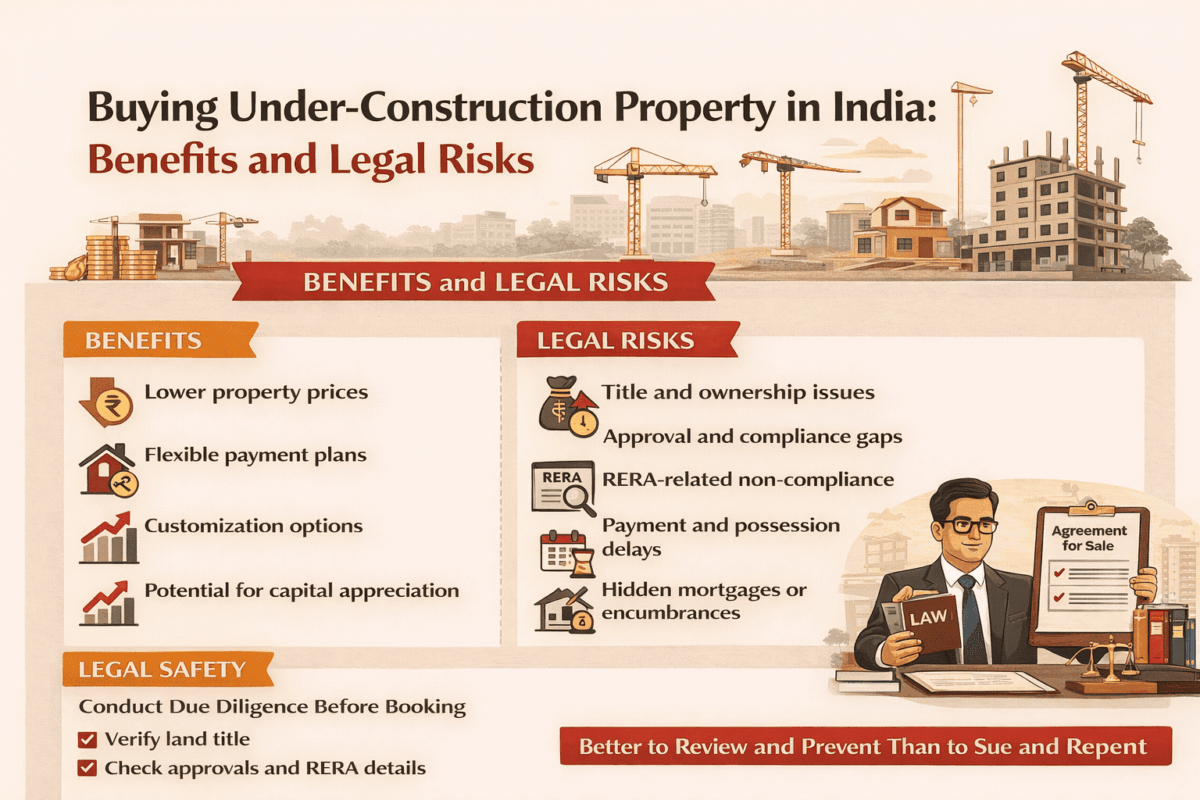
1. Buying an under-construction property is a popular choice among home buyers in India, particularly first-time purchasers and long-term investors. Lower prices, flexible payment plans, and the promise of a brand-new home are strong incentives. However, these advantages come with legal and practical risks that buyers must clearly understand before committing the resources.
2. This article explains both the benefits and the legal risks of buying under-construction property in India, helping buyers make informed decisions.
Why Home Buyers Choose Under-Construction Properties
3. One of the primary benefits is pricing. Under-construction properties are usually priced lower than ready-to-move-in homes, allowing buyers to enter desirable locations at a comparatively affordable cost.
4. Another advantage is staggered payments. Most developers offer construction-linked payment plans, reducing the immediate financial burden on buyers.
5. Buyers also benefit from customisation options in early stages of construction, such as layout changes or interior preferences, which are not possible in completed homes.
6. From an investment perspective, under-construction properties may offer capital appreciation by the time the project is completed, particularly in developing areas.
Legal Risks Buyers Must Be Aware Of
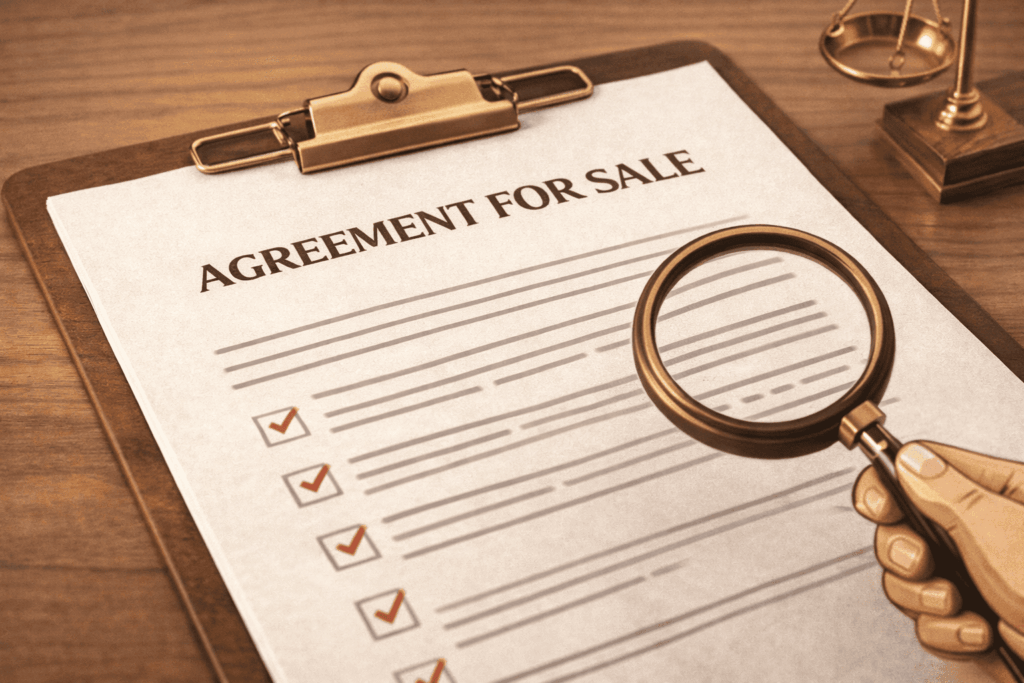
7. Despite the benefits, under-construction properties carry significant legal risks because buyers are investing in a promise rather than a finished asset. Some of these risks are explained below:
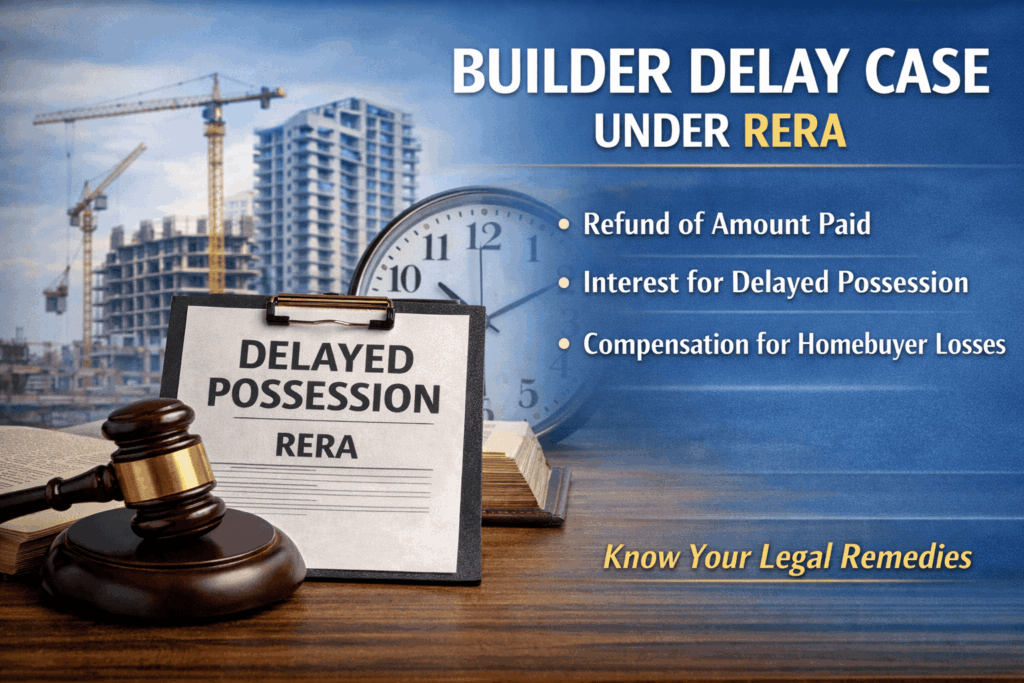
Title and Ownership Risks
8. Buyers often overlook verification of the builder’s land title. In joint development projects, disputes between landowners and developers can jeopardise the entire project.
Approval and Compliance Risks
9. Many projects begin construction without all statutory approvals in place. Deviations from sanctioned plans or non-compliance with zoning and environmental regulations can result in penalties or refusal of Occupancy Certificates.
RERA Related Risks
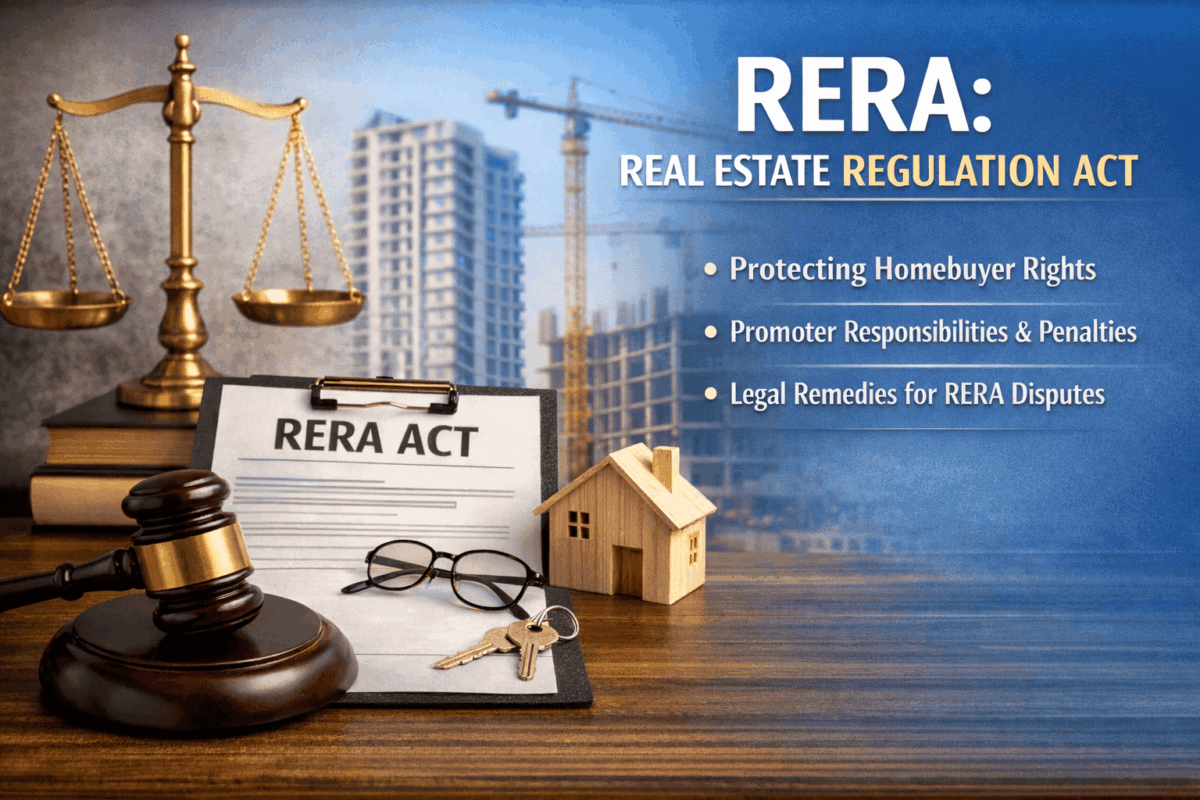
10. While RERA has improved transparency, not all projects are fully compliant. Buyers must verify that the specific phase and unit are registered and that disclosures on the RERA portal match the builder’s representations. For more information about RERA, please visit this link.
Agreement for Sale Risks
11. Builder-drafted agreements frequently contain one-sided clauses. Some of them have vague possession timelines, weak penalty provisions, unclear exit clauses, and an incorrect or absent defect liability period clause, among others. Buyers often underestimate the importance of legal review at this stage. Click here for a detailed article on the Agreement for Sale.
Delay and Possession Risks
12. Construction delays are the most common issue faced by buyers. Delays can lead to prolonged rent and EMI burdens, with limited remedies if agreements are poorly structured. Read further on Builder Delay Cases Under RERA.
Financial and Encumbrance Risks
13. Project land may be mortgaged to banks or other lenders. Buyers must ensure that such encumbrances are disclosed and properly addressed to avoid complications at the time of possession or registration. NOC from the financier for the specific unit concerned must be obtained. Read here for detailed information on the Encumbrance Certificate.
How Buyers Can Balance Benefits with Legal Safety
14. The risks associated with under-construction properties are unavoidable, but they are manageable with proper legal due diligence.
Buyers should:
• Verify the builder’s land title and authority to develop
• Check all statutory approvals and sanctioned plans
• Confirm RERA registration and disclosures
• Review the Agreement for Sale before signing
• Understand exit, refund, and delay compensation clauses
• Check the Defect Liability Clause
• Ensure the Agreement for Sale contains a provision for the creation of the AOA
15. Engaging a property lawyer at the booking stage is far more effective than seeking remedies after disputes arise.
Conclusion
16. Under-construction properties in India offer genuine benefits, but they also expose buyers to unique legal risks that do not exist in ready-to-move properties. The key is not to avoid such projects altogether, but to approach them with legal awareness and caution.
17. For home buyers, informed decision-making and timely legal advice can make the difference between a rewarding investment and a prolonged dispute.
18. Read the article on “Home Buying in India” for more details.
Disclaimer: This article is for informational purposes only and does not constitute legal advice. Professional consultation is recommended for individual cases.